博客
首页

博客

  • 细白铝银浆有什么特点?
    Apr 21, 2025
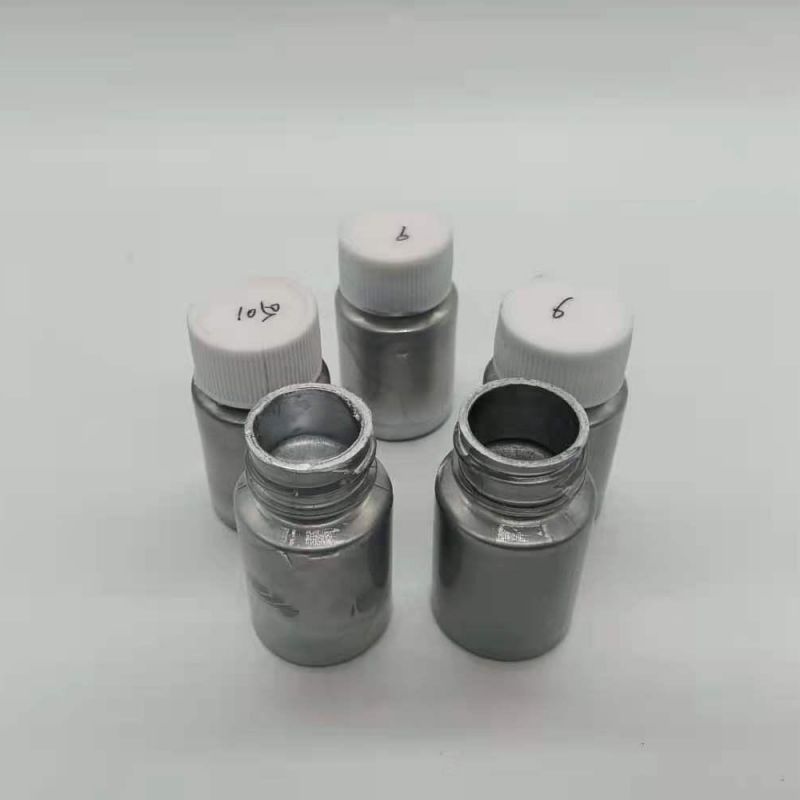
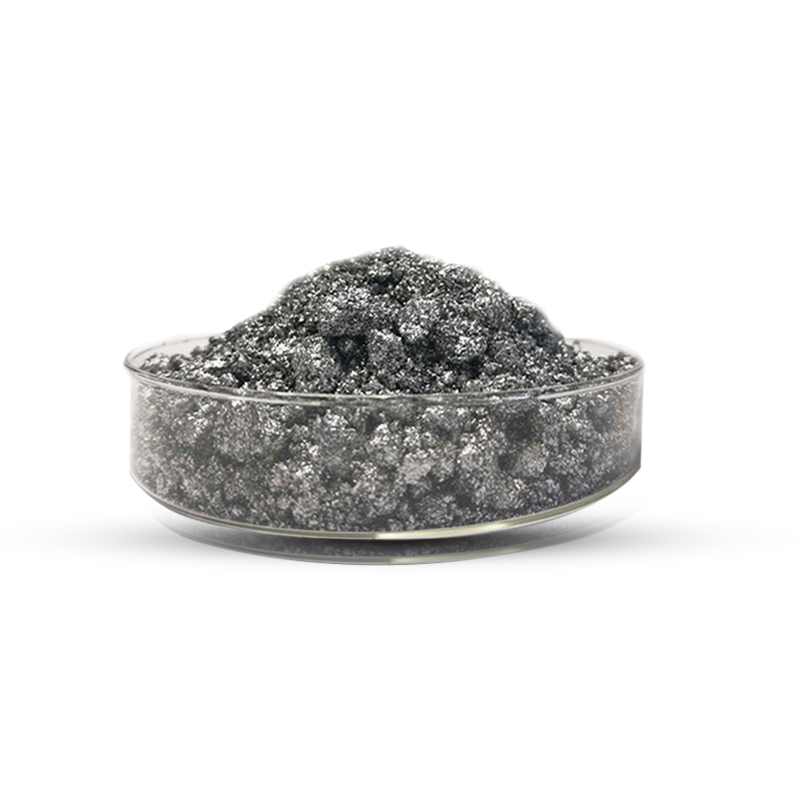
    Ⅰ.细白铝银浆:4um-20um范围内有高中低不同等级的纯银产品可供选择。一般中粗 铝粉 生产采用,溶剂为高闪点芳烃150#或D系列脱芳烃溶剂。二、产品特点:本系列产品采用特殊工艺制备,白度高,遮盖力极佳,表面细腻光滑。根据不同的特性和要求,分为防腐足银、标准足银、高亮银三种。三、用途:主要用于锤纹涂料、卷材涂料、船舶涂料、防锈底漆、印刷油墨、手机外壳涂料、玩具涂料、摩托车等塑料涂料。
    阅读更多
  • 树脂作为成膜物质有哪些优点?
    Apr 18, 2025
    树脂作为成膜物质具有很多优点,例如:一、能在物体表面形成一层连续、均匀、具有一定强度和韧性的薄膜,有效地保护物体表面。二、具有良好的抵抗酸、碱、盐等化学物质的能力,能延长被保护物在恶劣化学环境中的使用寿命。三、大多数树脂形成的涂膜吸水率较低,可以防止水的渗透,避免物体因受潮而受损。四、通过添加不同的颜料和添加剂,可以得到各种颜色、不同光泽的涂层,以满足不同的装饰需要。五、可与多种溶剂、助剂等混合,通过调整配方和加工工艺,制成适合不同施工方式和应用场景的涂料、油墨等产品。
    阅读更多
  • 铝银浆制成涂料前需要添加哪些物质?
    Apr 17, 2025
    铝银浆 只是涂料和油漆的原料之一。在制作油漆之前,需要添加溶剂/树脂/分散剂等! 一、溶剂:如醋酸丁酯、丙二醇甲醚等。其作用是溶解树脂等成膜物质,调节涂料的粘度和干燥速度。二、树脂:常见的有丙烯酸树脂、聚酯树脂等。树脂是涂料的成膜物质,决定了涂料的基本性能,如附着力、硬度、耐候性等。三、分散剂:可减少铝银浆分散过程所需的时间和能源,稳定铝银浆预分散,调整其表面性质和流动性,防止铝银浆颗粒团聚。四、银粉取向剂:可以保证车漆的光泽度,使车漆呈现出更好的金属质感。五、流平剂:有机硅流平剂或丙烯酸流平剂可以使油漆在干燥过程中形成平整光滑的表面Ⅵ、防沉剂:如聚酰胺蜡、聚乙烯蜡等,可防止铝银浆在涂料中沉降,保持涂料体系的稳定性Ⅶ、其他添加剂:可根据需要添加增稠剂来调节油漆的粘度,可添加防锈剂、防腐剂来提高油漆的防腐性能。
    阅读更多
  • 铝银浆的分散性
    Apr 04, 2025
    使用前,预分散 铝银浆 与溶剂。一般来说,铝浆与溶剂的比例 比例为1:2。分散过程中,使用低速搅拌。避免搅拌速度过快,导致高剪切 力会破坏铝浆的形状,降低亮度。最佳分散速度应为 通过实验确定。这取决于许多因素以及搅拌器的几何尺寸 设备(搅拌盘直径与容器直径的比例、搅拌盘的形状、 等)、涂料的温度和粘度、溶剂的选择以及铝浆的添加量(见 (见下表)
    阅读更多
  • 铝浆取向
    Apr 03, 2025
    亮度、亮度、色彩饱和度、覆盖率、随角异色性和 DOl - 不仅取决于颗粒和颗粒大小 分布,也取决于方向 铝片 在 漆膜。 最佳效果如下: 薄片与薄膜表面平行。较差 方向:导致“浑浊”或不均匀的“盐和 胡椒”效应。 溶剂的蒸发导致薄膜收缩,实际上挤压 铝银浆 处于水平位置。 油漆的溶剂含量越高, 这种效应很明显。这解释了观察到的 颜料取向现象 因此“低固体涂料”的光学性能相当 比高 固体油漆”。
    热门标签 : 铝片 铝浆 铝浆取向
    阅读更多
  • 铝银浆形状
    Apr 02, 2025
    所用金属的延展性意味着铣削或粉碎 球形铝粉 在球里 磨机产生的薄片形状因子(薄片厚度:薄片直径)为 1:50 至 1:200。 银元形状:采用粒径极窄的细颗粒球形铝粉,经过缓慢 研磨工艺,可得到表面光滑、径厚比适中、颗粒较窄的铝板 尺寸分布均匀,光泽度高,遮盖力强。 雪花状、鳞片状:采用粒度较粗的铝粉研磨而成。 统计颗粒厚度可能因产品和所用的研磨技术而异,即各种 颜料不是单分散颗粒,而是具有或多或少 颗粒尺寸和厚度的统计分布。 粒度分布 金属颜料 对应用的光学特性具有决定性的影响。 因此,测量粒度分布对于质量控制和对颜料进行分类至关重要, 薄片的各向异性使得这一过程变得困难
    阅读更多
  • 铝银浆的分类
    Apr 12, 2025
    在生产过程的各个阶段都必须添加润滑剂,以防止结块,这具有 对润湿性能的独特影响 金属颜料. 润湿性能有明显差异 介于叶型和非叶型之间。 浮型颜料 由于其高表面张力 浮色颜料 不被粘合剂润湿,因此漂浮在 湿膜。这种效果是通过使用例如硬脂酸作为润滑剂来实现的。 在含有强极性溶剂或粘合剂的涂料体系中,漂浮颜料总是存在危险 通过润湿“淹没”并变成 非浮型颜料。必须考虑到这种可能性 在制定涂料配方时,如有必要,应使用特殊的漂浮稳定颜料。 非浮型颜料 非浮型颜料是通过添加强极性物质或润湿剂来产生的 漂浮颜料或在研磨过程中直接使用特殊润滑剂(例如油酸)。 非漂浮颜料完全润湿,从而均匀分布在整个漆膜上。
    阅读更多
  • 铝浆的应用及领域
    Mar 26, 2026
    铝浆的应用及领域 铝膏 是一种功能性金属颜料,主要成分为高纯度片状铝粉,通过表面处理和分散工艺制成。尽管名称如此,但它 不含元素银以其而闻名 金属光泽、高遮盖力、物理屏蔽、耐候性、耐热性和导电性它已成为涂料、油墨、塑料、电子、防腐等行业不可或缺的材料。其应用范围涵盖消费品、工业制造、基础设施和特种行业,在各种应用场景中都具有明确的用途、高性能匹配性和逻辑一致性。 1. 涂层:核心及最广泛的应用 1.1 汽车涂料 铝浆是汽车原厂配套和修补涂料中的关键颜料,可实现诸如以下优质效果: 金属光泽、变色、亮银色和仿电镀. 它兼具装饰性和耐候性。这种不产生箔片的铝膏可形成均匀的漆膜,便于进行透明涂层和重涂,是车身、轮毂和内饰件的理想之选,并满足抗紫外线、耐刮擦和耐化学腐蚀的要求。 1.2 工业和家用电器涂料 它适用于家用电器、3C产品、机电设备和金属家具的外壳,可提供精致的金属光泽和保护层。树脂涂层铝浆具有抗黄变、耐酸碱的特性,可提升产品美观度和使用寿命。 1.3 建筑涂料 非贴膜铝浆广泛应用于金属外墙涂料、栏杆、幕墙和装饰板。它能赋予建筑物银色的金属外观,同时 反射阳光,降低能源消耗,抵抗风化和粉化并延长外墙饰面的使用寿命。 1.4 卷材和粉末涂料 铝浆可应用于彩钢卷、铝卷和金属板材的连续辊涂,以及家电和五金的粉末涂装。它能确保均匀着色和高效防护,适用于工业化大规模生产。 2. 油墨与印刷:高端包装和标牌的金属光泽解决方案 铝浆与凹版印刷、柔版印刷和丝网印刷兼容,用于…… 高端食品包装、烟草和葡萄酒礼盒、标签、贺卡、广告海报、和符号它印刷出的文字具有明亮的金属光泽和极高的辨识度。凭借良好的分散性和流畅的印刷性能,避免了网版堵塞和油墨堆积,满足了包装印刷的装饰性和防伪性需求。 3. 塑料和复合材料:无喷涂金属效果 通过以下方式添加到PP、ABS、PC和其他塑料体系中 母料、直接混合或注射着色铝浆可以使塑料制品呈现金属质感,取代传统的喷涂工艺。 降低成本、减少挥发性有机化合物排放并提高产量它广泛应用于家用电器外壳、汽车内饰、玩具、日用品和电子产品结构部件,兼具美观性和环保性。 4. 工业防腐蚀和重载防护:物理屏障 + 持久防护 片状铝浆在涂层中平行堆叠形成 致密物理屏蔽层,b铝的牺牲阳极特性可有效阻止水、氧气、盐雾和化学物质的渗透。此外,铝的牺牲阳极特性还能进一步增强其防护性能。 海洋工程:耐盐雾和海水侵蚀,适用于船体、甲板和海上平台;钢结构和基础设施:桥梁、储罐、管道和输电塔的防腐底漆和面漆;高温涂层:可承受 200–600°C 的温度,适用于发动机、排气管、锅炉和其他高温部件,提供隔热和保护。 5. 电子和功能材料:导电性和散热支持 采用经过特殊表面处理的导电铝浆 c导电涂层、屏蔽涂层、散热涂层和电极材料它具有适中的导电性和电磁屏蔽性,适用于电子设备外壳、电路板屏蔽和散热组件,满足轻量化和低成本导电要求。 6. 其他特殊应用 皮革和纺织品:采用金属效果印刷和涂层,以增强时尚性和耐用性;工艺品和装饰品:饰品、配件和家具的银质细节,营造奢华的银色效果;水性体系:环保型水性铝浆适用于低 VOC 涂料和油墨,符合绿色制造标准。 结论  铝膏具有双重核心功能: 装饰与表演该产品应用范围广泛,涵盖从消费品到工业应用的各个领域。它为涂料提供美观性和保护性,增强包装油墨的印刷效果,实现塑料的无喷涂金属化,确保防腐系统中基础设施的耐久性,并满足电子产品的导电和散热需求。凭借清晰的应用逻辑和性能与应用场景的高度兼容性,它是一种在现代制造业中用途广泛且极具价值的金属颜料。 
    热门标签 : 铝银浆
    阅读更多
  • The Shimmering Secret: Where Pearlescent Pigments Shine ✨
    Apr 09, 2026
      Have you ever stared at a sleek car finish, a glamorous lipstick, or a sparkling gift box and wondered what gives them that enchanting, light-shifting glow? That magic is likely thanks to pearlescent pigment—a versatile and extraordinary material that’s quietly transforming everyday objects into something extraordinary. At its core, pearlescent pigment (often mistaken for pearl powder) is a fine powder crafted from materials like mica coated with titanium dioxide or other oxides. Its unique structure bends and reflects light in a way that mimics the soft, iridescent luster of natural pearls. Unlike harsh metallic pigments, it creates a gentle, shifting glow that deepens with every angle, adding a touch of luxury and elegance.   In cosmetics, pearlescent pigment is a staple. It turns ordinary eyeshadow into a multidimensional palette, gives lipsticks a creamy, luminous sheen, and makes nail polish shimmer like polished gemstones. Foundations and highlighters infused with it blur imperfections, leaving skin with a natural, dewy radiance that feels both healthy and high-end.   In design and manufacturing, its impact is far-reaching. Automotive paints use it for stunning, color-shifting car finishes that stand out on the road. Home decor items—from wall paint to decorative vases—incorporate it to add subtle depth and warmth to living spaces. Even plastic products, like children’s toys and kitchenware, get a playful, sparkling upgrade with pearlescent pigments.   Packaging and textiles also benefit greatly. Luxury gift boxes, cosmetic cases, and shopping bags coated with the pigment feel premium and thoughtful. In fashion, it adds subtle sparkle to clothing, scarves, and accessories, elevating casual wear into something eye-catching without being over the top.   From makeup bags to car doors, pearlescent pigment is the unsung hero turning the ordinary into the extraordinary. Its ability to transform light into beauty makes it an essential ingredient in products we use and admire every day.   In addition, pearl powder is also widely used in packaging and textiles. The shiny gift boxes, high-end shopping bags and even some fashionable clothes all use pearl powder to enhance the sense of grade. It is not as sharp as metal luster, but it can quietly add a touch of elegance and dreaminess to our lives.
    阅读更多
  • The "Silver Shine Magic" Hidden in Life | These Items All Contain Aluminum Paste ✨
    Apr 09, 2026
      Have you ever been attracted by the metallic texture of a mobile phone case, or noticed the bright silver luster of a car wheel hub? In fact, the secret behind these high-end silver shine effects is aluminum paste — it contains no silver at all. Made with ultra-fine flake aluminum powder as the core, combined with solvents and additives, it creates most of the metallic textures in our lives through the reflection of aluminum flakes.   Aluminum paste has long penetrated daily life: in 3C electronics, the delicate silver-gray color of mobile phone back covers and computer casings is mostly due to fine white aluminum paste, which not only enhances the texture but also slightly protects the internal components. In home appliances, the brushed silver panels of refrigerators and the metal button borders of microwave ovens get rid of monotony and become more exquisite because of it.   It also appears in the eye-catching packaging in supermarkets. The silver foil patterns on cigarette packs and cosmetic gift boxes, as well as the metal labels on snack packaging, are printed with fine-particle aluminum paste, resulting in delicate and shiny patterns that also provide moisture and light resistance. When traveling, the shimmer of metallic car bodies comes from flash silver aluminum paste, while the high-gloss mirror effect of wheel hubs relies on imitation electroplating aluminum paste.   This inconspicuous "silver shine magician" quietly brightens our lives with its texture, allowing ordinary items to have a high-end feel.
    阅读更多
  • Water-Based vs Oil-Based Aluminum Paste: Pros, Cons & Applications
    Apr 09, 2026
      Water-Based vs Oil-Based Aluminum Paste: Pros, Cons & Applications Aluminum paste is a widely used metallic pigment that brings a sleek silver luster to various products. It is mainly divided into two types according to its solvent system: water-based aluminum paste and oil-based aluminum paste. Each has unique characteristics, advantages and disadvantages, and is suitable for different application scenarios. Understanding their differences is key to choosing the right one for your needs. 1. Oil-Based Aluminum Paste As a traditional and mature type of aluminum paste, oil-based aluminum paste uses organic solvents as the dispersion medium. It has long been favored in many fields due to its excellent metallic performance. Pros • Superior brightness: Thanks to the characteristics of its solvent system and resin formula, it has high metal reflectivity, concentrated reflection, strong mirror effect, and the aluminum particles have high parallel arrangement, which can present a bright and high-end metallic luster. • Good adaptability: It has excellent compatibility with solvent-based coatings, inks and resins, and strong adhesion to substrates such as metals and plastics, making it not easy to peel off after construction. • Stable storage under proper conditions: High-quality oil-based aluminum paste can be stored at room temperature for 12-18 months, and its performance remains stable when not exposed to high temperature or direct sunlight for a long time. Cons • High environmental impact: It contains a large number of organic solvents, resulting in high VOC emissions, which is not environmentally friendly and may have a certain impact on the environment and human health. It is also subject to more restrictions under increasingly strict environmental regulations. • Poor dispersion stability: Its dispersion stability is greatly affected by the type of solvent and resin system. It needs high-shear stirring before construction to ensure uniform distribution of aluminum particles, otherwise aluminum flake sedimentation and viscosity changes may occur. • Safety risks: Organic solvents are flammable and volatile, which may bring potential safety hazards during production, transportation and construction. Applications It is mainly used in scenarios with high requirements for metallic luster and less environmental constraints, such as high-end automotive exterior parts, wheel hubs and bumpers, high-end decorative industrial coatings, household appliance panels with strict metallic texture requirements, and some solvent-based inks and plastic coatings. 2. Water-Based Aluminum Paste With the tightening of global environmental protection policies, water-based aluminum paste, which takes water as the main dispersion medium, has gradually become the mainstream choice for green coating. It has been continuously upgraded in technology and can now meet the needs of most application scenarios. Pros • Environmentally friendly: It greatly reduces the use of organic solvents, with low VOC emissions, which is in line with the development trend of green and low-carbon. It has a low odor during production and construction, and is more friendly to the environment and construction personnel. • Excellent dispersion stability: Through special surface modification treatment, it has good wettability and chemical stability in water, with excellent anti-settling performance. It can restore uniformity with low-shear stirring, and its performance remains stable in both high and low temperature environments. • Wide applicability: It has good compatibility with water-based coatings and inks, and is suitable for a variety of substrates, including metals, plastics, paper and wood. It is also easy to construct and suitable for large-area coating operations. Cons • Slightly inferior brightness: In the early stage, its brightness was slightly lower than that of oil-based aluminum paste. Although modern technology has made it close to oil-based products, it still has a slight disadvantage in scenarios requiring extreme mirror reflection effects. • Strict storage requirements: Although it has good environmental adaptability, it is still necessary to avoid moisture and high temperature during storage to prevent aluminum flakes from oxidizing and affecting performance. • Higher cost: The production process of water-based aluminum paste is more complex, requiring surface coating and passivation treatment, so its cost is generally higher than that of oil-based aluminum paste. Applications It is widely used in scenarios with strict environmental protection requirements, such as the coating of public facilities, the appearance parts of household appliances, the shells of 3C products, indoor decorative coatings, water-based inks, and large-area metal effect construction. It is also an important material for the green upgrading of the coating industry. Summary Oil-based aluminum paste is the first choice for pursuing high-brightness metallic luster, while water-based aluminum paste is more suitable for green, environmentally friendly and large-scale construction needs. With the continuous advancement of technology, the performance gap between the two is gradually narrowing, providing more flexible choices for different application scenarios.
    阅读更多
1 2
总共 2页面

留言

留言
如果您对我们的产品感兴趣并想了解更多详情,请在此留言,我们会尽快回复您。
提交

首页

产品

Whatsapp

联系我们